
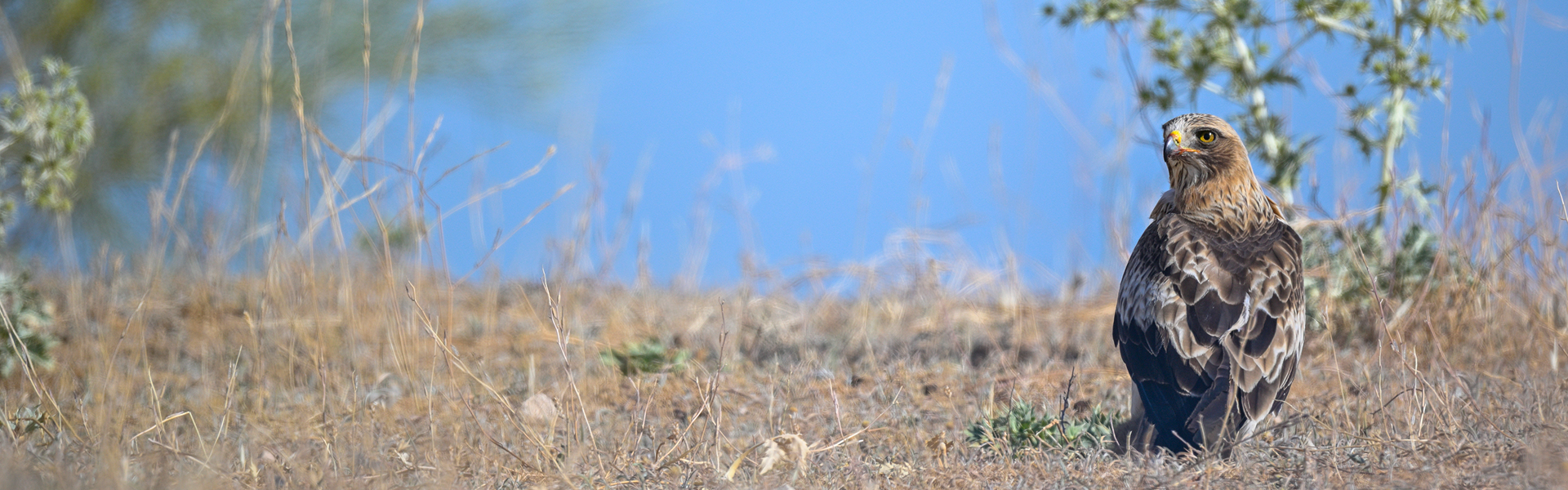
Bird Strike Prevention
Wildlife Management
bird-aircraft collisions
This large-scale wildlife management initiative focuses on improving aviation safety through humane design, environmental data, and technology-driven innovation. By studying bird migration patterns and airfield ecosystems, our team developed sustainable methods to reduce bird-aircraft collisions while maintaining ecological balance and operational safety.
Project Overview
Humane Solutions collaborated with Toronto International Airport to address recurring wildlife-aircraft conflicts caused by migratory bird populations. Our goal was to engineer a sustainable, humane prevention system that safeguarded both aviation operations and local wildlife ecosystems.
This project became a flagship initiative for innovation-led wildlife management — balancing environmental responsibility with real-world safety outcomes.
The Challenge
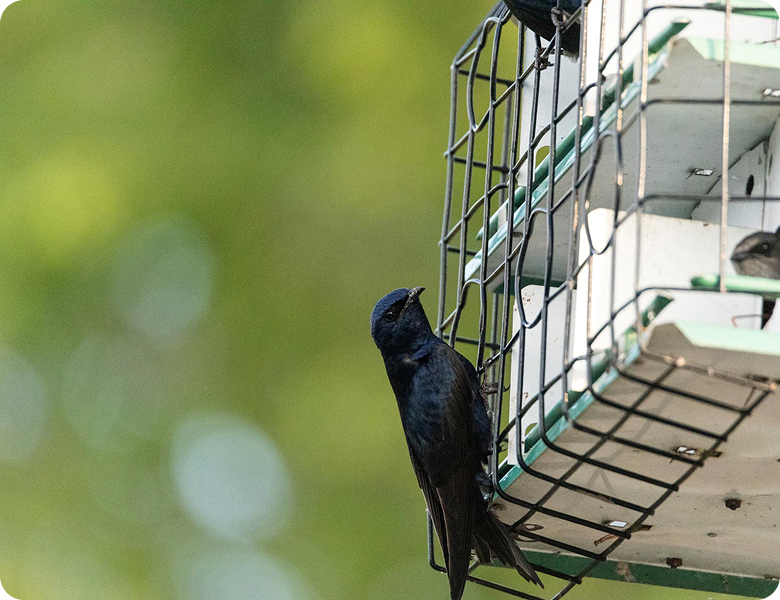
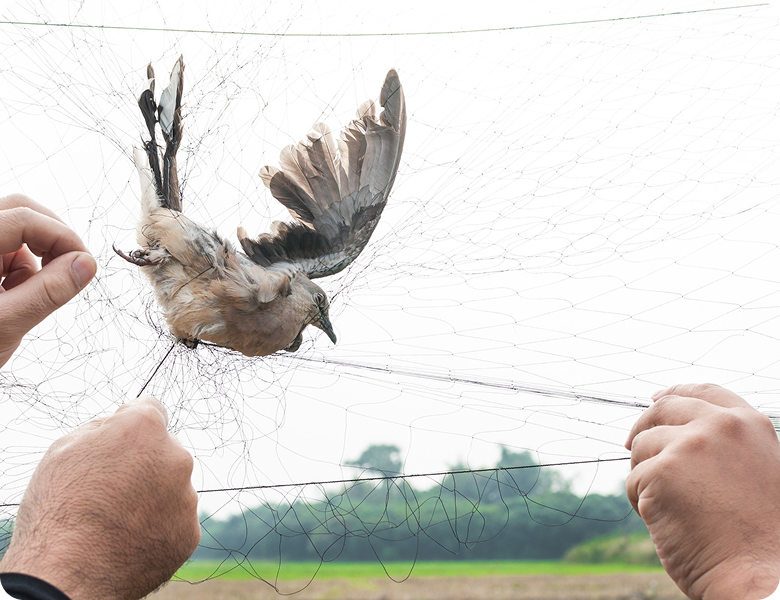
Airports across North America face ongoing challenges with bird strikes — incidents that endanger aircraft, wildlife, and passengers alike. Conventional deterrent methods, such as sound cannons and chemical repellents, offered only short-term relief and often created secondary environmental issues.
Toronto Airport’s location near wetland corridors made it particularly vulnerable to migratory species, requiring a long-term, ecological solution that worked with nature, not against it.
Our Approach
Our team developed a phased, data-driven approach — beginning with wildlife behavior mapping and ending with full integration of preventive systems. The project focused on innovation, humane methodology, and measurable results.
Step 1
Data & Risk Analysis
Understanding Flight Paths — and Bird Patterns
We conducted high-resolution radar and on-site behavioral studies to identify bird migration routes and active flight zones intersecting with aircraft paths. Using data analytics, we created predictive maps of high-risk zones based on weather, season, and time of day.
Step 2
Habitat Design & Engineering
Reducing Attraction — Designing Safer Habitats
Our biologists and engineers collaborated to modify vegetation and open-water features near runways. We introduced low-attraction grass species, adjusted water drainage, and installed visual markers to subtly redirect bird movement away from aircraft corridors.
Step 3
Technology & Monitoring
Intelligent Deterrence & Long-Term Tracking
We implemented an AI-assisted sound system triggered by real-time bird proximity sensors. This humane deterrent adapts frequency and pattern based on species type, avoiding desensitization and ensuring long-term effectiveness.
Results & Impact
The initiative resulted in significant, measurable outcomes for both safety and sustainability. Within months, bird strike incidents declined dramatically, and environmental audits confirmed zero negative ecological effects.
83%
Reduction in bird-aircraft collision incidents
0
Harmful Repellents Used throughout implementation
4,000+
Birds Protected through behavioral redirection
24/7
Monitoring System installed across 3 active runways
Project Gallery
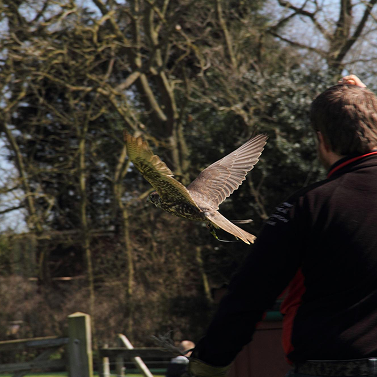
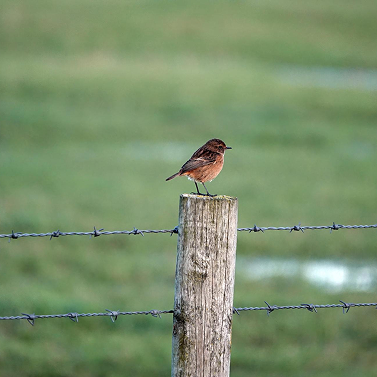
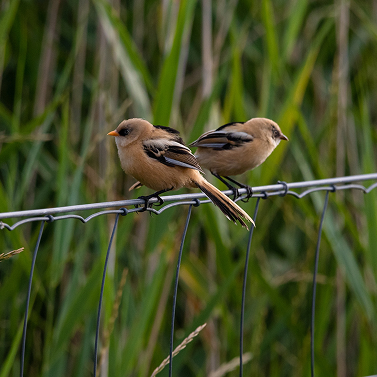
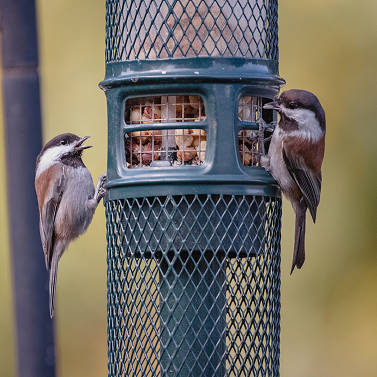
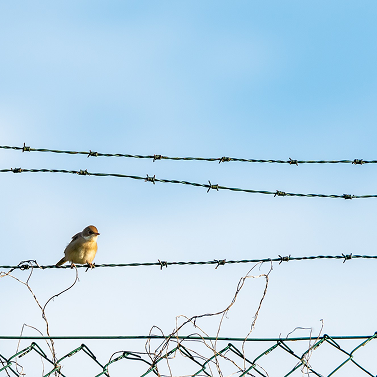
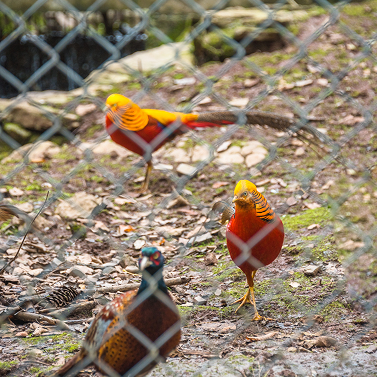
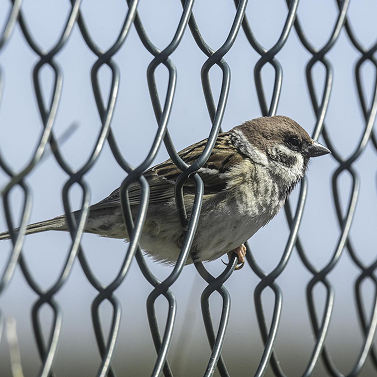
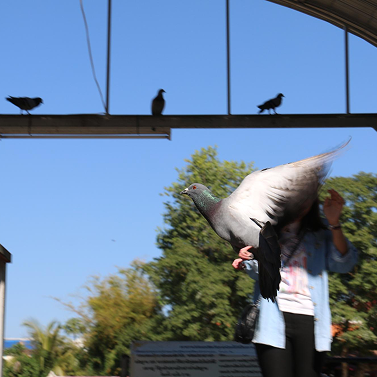
Snapshots from on-site operations, data monitoring, and environmental adaptation phases.
Lessons Learned
This project underscored the value of combining ecological science with engineering intelligence. Humane wildlife management isn’t reactive — it’s proactive design.
By aligning with natural systems and harnessing data, we demonstrated that airports and wildlife can safely coexist through innovation, transparency, and compassion.
These insights now guide similar airport wildlife programs across Canada, forming a national framework for sustainable aviation safety.
Explore More Projects
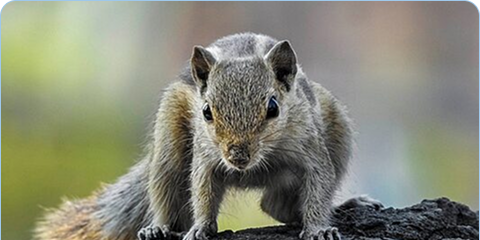
Squirrel Control
Lorem ipsum dolor sit amet, consectetur adipiscing elit.
Vancouver, BC
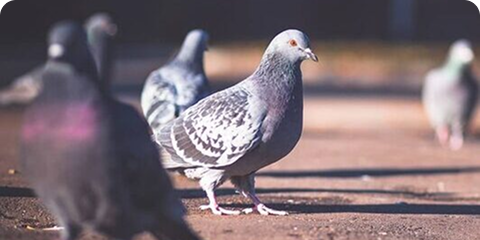
Bird Strike Prevention
Lorem ipsum dolor sit amet, consectetur adipiscing elit.
Toronto Airport
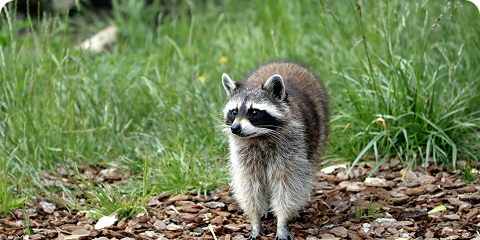
Urban Raccoon Mitigation
Lorem ipsum dolor sit amet, consectetur adipiscing elit.

 (604) 359-4434
